How a Water Softener Works: A Simple Guide for Madison WI Homes
A water softener may look like a simple tank, but several important processes happen inside it. Learn how resin beads capture hardness minerals, how regeneration works, and why salt matters.
If you have ever wondered what happens inside a water softener after hard water enters the system, the basic concept is easier to understand than it may seem.
Hard water contains minerals such as calcium and magnesium. These minerals can leave spots on faucets and glassware, contribute to scale buildup, and make soap and detergents behave differently. A traditional water softener is designed to reduce these hardness minerals before the water travels throughout your Madison home.
The process is called ion exchange, and understanding it can help you better understand what your water softener is doing every day.
Why Does Water Become Hard?
Water naturally picks up minerals as it moves through soil and rock. Calcium and magnesium are two of the primary minerals responsible for water hardness.
You may not notice these minerals when you fill a glass from the faucet because they are dissolved in the water. Their effects often become more obvious after the water dries or interacts with soap.
White residue around fixtures, cloudy glassware, and scale inside water using appliances can all be associated with hard water.
The Resin Tank Does the Main Work
A traditional water softener has a mineral tank filled with thousands of small resin beads.
Think of the resin beads as tiny magnets with a specific attraction to hardness minerals. When hard water flows through the tank, calcium and magnesium are attracted to the resin.
The hardness minerals stay attached to the resin while the treated water continues through the plumbing.
This is the heart of the softening process.
Understanding Ion Exchange
The process inside the resin tank is called ion exchange because one type of ion is exchanged for another.
The resin initially contains ions that can be exchanged with calcium and magnesium. As hard water passes through, the resin captures the hardness minerals and releases sodium or another ion into the water.
The important point is that the calcium and magnesium responsible for hardness are being removed from the water through an exchange process rather than simply being trapped by a basic filter.
What Happens When the Resin Fills Up?
The resin cannot continue capturing hardness minerals indefinitely.
As more calcium and magnesium attach to the resin, its available capacity gradually decreases. Eventually, the resin needs to be restored so it can continue treating incoming water.
This is where regeneration becomes important.
A properly programmed softener monitors or estimates when the resin needs to regenerate based on the system design and household water usage.
What Is Regeneration?
Regeneration is essentially the reset process for the resin.
During regeneration, a concentrated salt solution called brine is passed through the resin tank. The brine helps remove the accumulated hardness minerals and restores the resin's ability to exchange ions.
The system then rinses the resin and prepares it for another cycle of softening.
Depending on the equipment, regeneration may happen at a scheduled time or based on water usage.
What Does the Brine Tank Do?
The second major component of a traditional water softener is the brine tank.
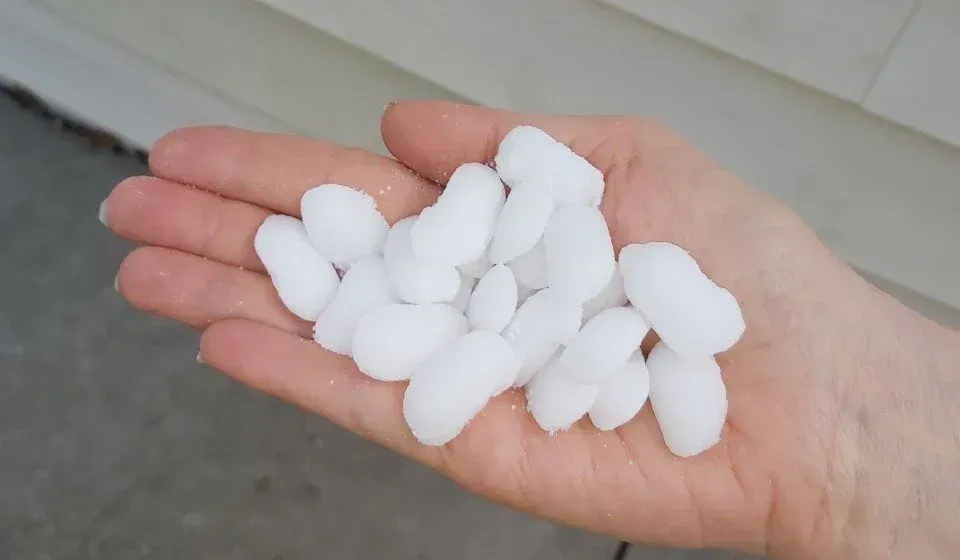
This is where salt is stored. When the system needs to regenerate, water enters the brine tank and dissolves some of the salt, creating the brine solution used during regeneration.
The salt is therefore not simply added continuously to all of the water entering your home. Its main purpose is to provide the brine needed to restore the resin.
Keeping an appropriate salt supply is important because insufficient usable salt can prevent proper regeneration.
Why Does the Softener Need Salt?
Without an appropriate regeneration process, the resin would eventually become exhausted.
Salt provides the material needed to create the brine solution that restores the resin. How much salt a system uses depends on factors such as the hardness of the water, household water usage, equipment capacity, and programming.
Using more salt than necessary is not automatically better. A properly adjusted system should use an appropriate amount based on the home's actual water conditions.
What Happens After Regeneration?
Once regeneration is complete, the resin is ready to capture hardness minerals again.
Fresh hard water can then enter the mineral tank and pass through the resin. Calcium and magnesium are exchanged, and the treated water continues into the home's plumbing.
This cycle repeats as your household uses water.
The process is automatic on most modern systems, which is why a properly maintained water softener can operate in the background without requiring constant attention.
How Soft Water Can Change Everyday Tasks
The purpose of softening is not simply to make water feel different.
Reducing hardness can decrease mineral residue on faucets, shower surfaces, and glassware. It can also help reduce exposure to scale inside water using appliances.
Many homeowners also notice differences in how soap, shampoo, and laundry detergent behave because there are fewer hardness minerals interfering with them.
The exact results depend on the hardness level, water usage, equipment, and other characteristics of the home's water.
What If Your Softener Is Not Producing Soft Water?
If hard water problems return, there are several things to investigate.
The system may have a low salt supply, a salt bridge, an incorrect hardness setting, or a regeneration problem. The bypass valve could also be allowing water to flow around the softener.
Older systems can experience resin deterioration or mechanical problems that affect performance.
Water testing is useful because it can show whether hardness is actually being reduced after treatment. If the problem continues, professional inspection can help identify the cause.
Water Softening Is Not the Same as Complete Water Filtration
It is also important to understand what a water softener is designed to treat.
A traditional softener primarily addresses calcium and magnesium hardness. It is not automatically designed to remove every contaminant or water quality issue.
Iron, sediment, odors, and other concerns may require different treatment equipment depending on the water analysis.
Testing your water can help determine which treatment approach makes sense instead of expecting one system to solve every water quality problem.
Understanding Your Madison Water Softener
The process behind a water softener can be summarized simply: hard water enters the resin tank, hardness minerals are exchanged, treated water leaves the system, and the resin is periodically regenerated using brine.
For homeowners in Madison, WI, understanding this process makes it easier to recognize why salt levels, regeneration, settings, and routine maintenance matter.
Madison Water Softener can help homeowners understand their hard water concerns, maintain existing equipment, and explore practical water treatment solutions. If you are unsure whether your current softener is working properly or want to understand what is happening inside the system, professional guidance can help you make sense of your home's water treatment needs.