Why Does My Water Still Feel Hard? A Madison WI Troubleshooting Guide
If your water still leaves spots, soap residue, or mineral buildup even with a water softener, the system may need attention. Learn how to check salt levels, settings, regeneration, and other common causes of hard water in Madison, WI homes.
Why Can Water Still Feel Hard After Installing a Softener?
Installing a water softener should reduce the calcium and magnesium minerals responsible for hard water. However, if you continue noticing white deposits on faucets, stiff laundry, or soap that does not lather well, something may be preventing your system from working correctly.
Madison has naturally very hard water. Madison Water Utility reports hardness levels of approximately 18 to 20 grains per gallon in its tap water. This makes proper softener setup and maintenance especially important for local homeowners.
Before assuming your equipment needs replacement, check a few common causes that can affect its performance.
1. Check the Salt Level in Your Brine Tank
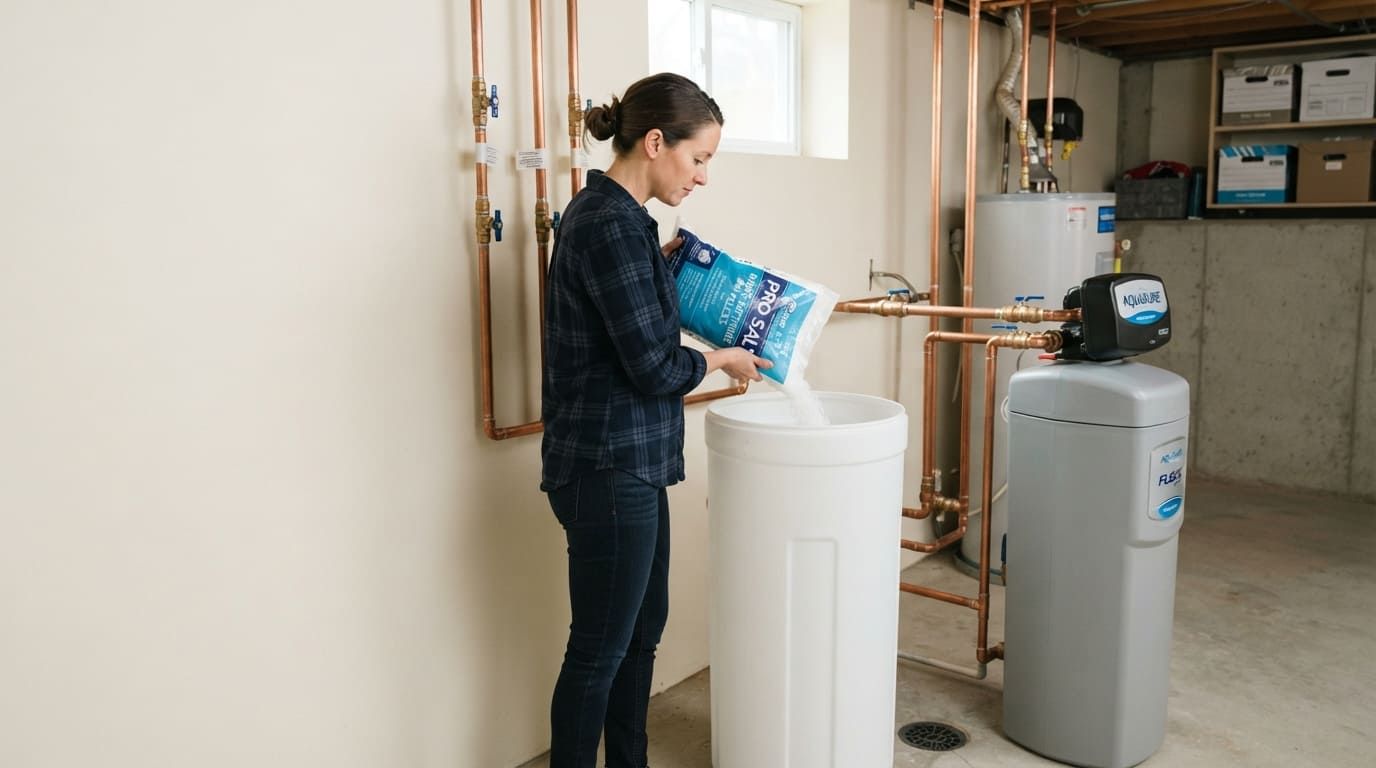
Salt helps your water softener restore its ability to remove hardness minerals during regeneration. If the tank runs low on salt, the system may eventually stop producing consistently softened water.
Open the brine tank and check the salt level. Follow the manufacturer's recommendations for how much salt to maintain. Avoid filling the tank beyond the recommended level.
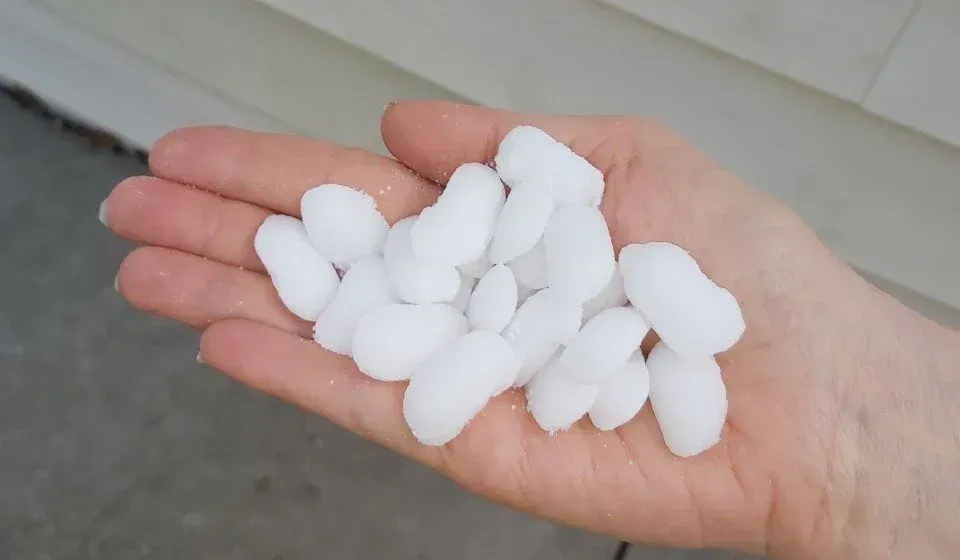
Also check whether the salt has formed a hard crust or solid mass. A salt bridge can create an empty space beneath the salt, making the tank appear full even though the water softener cannot access enough salt to prepare the brine solution.
If you suspect a salt bridge, follow the manufacturer's instructions before attempting to break it apart.
2. Make Sure the Bypass Valve Is in the Correct Position
A bypass valve allows water to flow around the softener instead of passing through the resin tank.
This feature is useful during maintenance, but it can cause problems if the valve remains in bypass mode after servicing. Your home may continue receiving untreated water even when the softener appears to be operating normally.
Check the valve position and compare it with the manufacturer's instructions. If the system was recently installed, repaired, or serviced, this is a particularly useful place to start.
Do not force a stiff valve. Contact a qualified technician if you cannot operate it safely.
3. Check Whether the Softener Is Regenerating Properly
Regeneration is the process that restores the resin beads so they can continue removing calcium and magnesium from incoming water.
If regeneration does not occur when needed, the resin can become exhausted. Once its capacity is depleted, hardness minerals begin passing through the system.
Look at the control panel for warning indicators, unusual settings, or an incorrect time. A power interruption may have affected the clock or regeneration schedule.
Check the manual to confirm that regeneration is enabled and programmed correctly. If the system repeatedly fails to regenerate, a malfunctioning control valve, clogged injector, or another internal problem may require professional service.
4. Verify the Water Hardness Setting
Your softener must be programmed for the hardness of your incoming water. If the setting is too low, the system may underestimate how much mineral content it needs to remove.
This matters in Madison because hardness varies by water source and location. The City of Madison and local water resources provide information that can help homeowners understand their water supply.
Have your incoming water hardness tested and compare the result with your softener's current setting. A professional can help account for your equipment's capacity and other relevant water conditions.
Avoid simply increasing the setting without checking the actual hardness level and the manufacturer's guidance.
5. Consider Whether the Resin Beads Need Attention
The resin beads inside the mineral tank do the main work of removing hardness minerals. Over time, the resin can lose performance because of age, fouling, or exposure to certain contaminants.
When resin performance declines, ordinary maintenance may no longer restore the same level of softening.
Signs can include recurring hard water despite adequate salt, correct settings, and regular regeneration. However, these symptoms do not prove that the resin is damaged. A technician should test the system and rule out simpler problems first.
Depending on the equipment's condition, the solution may involve cleaning, repair, or resin replacement.
6. Check Whether Some Faucets Receive Untreated Water
Sometimes the water softener is working correctly, but not every faucet or appliance receives softened water.
A kitchen cold water tap may intentionally bypass the softener. Outdoor faucets and certain other plumbing connections may also receive untreated water.
This can explain why you notice mineral spots or residue in one area of the house while other fixtures perform normally.
Test water from several indoor taps and compare the results. If only certain locations show signs of hard water, ask a plumber or water treatment professional to inspect the plumbing layout.
7. Test the Water Instead of Relying Only on Feel
Water that feels slippery after softening is not necessarily a sign of a problem. Some people notice a different sensation because softened water interacts with soap differently.
Likewise, a white spot on a glass does not automatically mean the softener has failed. Residue can come from detergent, rinse aid issues, or water that was not softened.
Use an appropriate hardness test on water taken from a tap that should receive softened water. Compare the result with the incoming water hardness and your system's expected performance.
A reliable test helps distinguish an actual softening problem from normal differences in how water feels or dries.
8. Understand What a Water Softener Cannot Fix
A standard salt based water softener primarily reduces hardness caused by calcium and magnesium. It is not designed to remove every possible contaminant, odor, or discoloration.
Madison's groundwater can contain naturally occurring iron and manganese. These minerals can contribute to reddish or brown discoloration under certain conditions. A water softener should not automatically be treated as the solution for every iron related problem.
If you notice unusual colors, odors, or persistent staining, have the water evaluated to determine whether another treatment method is needed.
When Should You Call a Water Softener Professional?
If your water remains hard after checking the salt level, bypass valve, and settings, professional troubleshooting can help prevent unnecessary repairs or replacement.
Consider arranging a service visit when:
• Hardness tests continue to show poor softening performance.
• The system does not regenerate as programmed.
• Salt disappears unusually quickly or does not seem to be used.
• Water flow becomes restricted or the control valve behaves abnormally.
• You notice recurring mineral buildup despite correct operation and maintenance.
A technician can test the incoming and treated water, inspect the brine system, evaluate the resin, and determine whether the problem comes from settings, maintenance, plumbing, or a failing component.
Keep Your Madison Water Softener Working Properly
Madison's naturally hard water can contribute to mineral deposits on fixtures, scale inside water heaters, and residue on dishes and laundry. A properly configured water softener can help reduce these problems, but it needs the correct settings and regular care.
If your water still seems hard, start with simple checks before investing in a replacement system. Confirm the salt level, inspect the bypass valve, review the regeneration schedule, and test the treated water. If the problem continues, professional diagnosis can help you find the cause.
Madison Water Softener helps homeowners in Madison, WI understand their water treatment needs and address hard water concerns. Whether your system needs maintenance, troubleshooting, or further evaluation, getting the right diagnosis can help protect your plumbing and appliances while improving everyday water use.